

Custom Orthotics: Essential Foot Support for All Ages

July 23, 2026

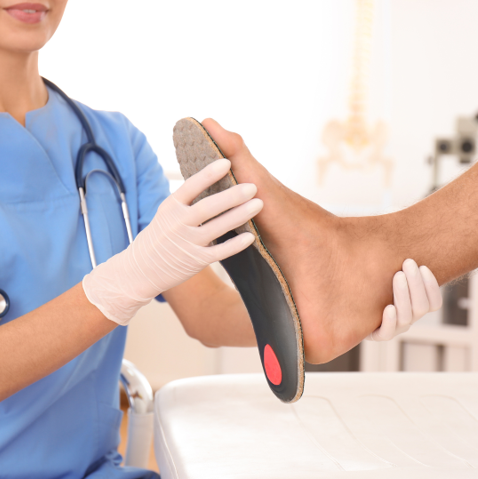
Custom orthotics are prescription medical devices designed to support, align, and improve the function of your feet. Unlike over-the-counter inserts, they are uniquely crafted to match your specific anatomy, correcting biomechanical imbalances, reducing pain from conditions like plantar fasciitis , and enhancing overall mobility for patients of every age.

What Are Custom Orthotics and How Do They Differ from Store-Bought Inserts?

When people experience foot pain , their first instinct is often to visit a local pharmacy and purchase a pair of generic gel or foam insoles. While these mass-produced inserts may provide temporary cushioning, they are not designed to address the underlying structural or functional issues causing the discomfort. Custom orthotics , however, are professional-grade medical tools prescribed by podiatrists at The Ankle & Foot Clinic to treat specific pathology.

The primary difference lies in the level of personalization and the quality of materials. Store-bought inserts are made for a "standard" foot shape, which rarely exists in reality. In contrast, custom orthotics are manufactured using high-quality materials like carbon fiber, durable thermoplastics, or specialized medical-grade foam. These materials are chosen based on whether the patient needs "functional" support (to control movement) or "accommodative" support (to provide cushioning and pressure relief).

At our Spokane clinic, the process begins with a comprehensive evaluation of your gait, bone structure, and muscle function. We use advanced diagnostic tools to create a precise 3D model of your feet. This ensures that every contour of your arch and heel is supported, providing a level of stability that off-the-shelf products simply cannot match. By investing in professional orthotics, you are choosing a long-term solution that protects your musculoskeletal health from the ground up.

Why Are Custom Orthotics Important for Children?

A child’s feet are the foundation for their lifetime of mobility. During the developmental years, the bones and ligaments in a child's foot are highly adaptable. If a child has structural issues such as flat feet (pediatric pes planus) or intoeing, it can lead to pain not just in the feet, but also in the ankles, knees, and hips. Custom orthotics for children are often used to provide the necessary alignment to ensure healthy growth patterns.

Early intervention is key. If a child experiences frequent growing pains or tires easily during physical activity, it may be due to poor foot mechanics. Orthotics can help by:

  • Providing a stable base for developing bones.
  • Reducing strain on the Achilles tendon and calf muscles.
  • Improving balance and coordination during sports.
  • Preventing long-term deformities that might require surgery later.
  • Correcting excessive pronation that causes the arch to collapse.

Our team, including Dr. Steven G. Schatz and Dr. Karla A. Trombello , specializes in evaluating pediatric gait. We understand that children are active, so we design orthotics that fit comfortably into school shoes and athletic cleats, allowing kids to stay on the field and play without pain.

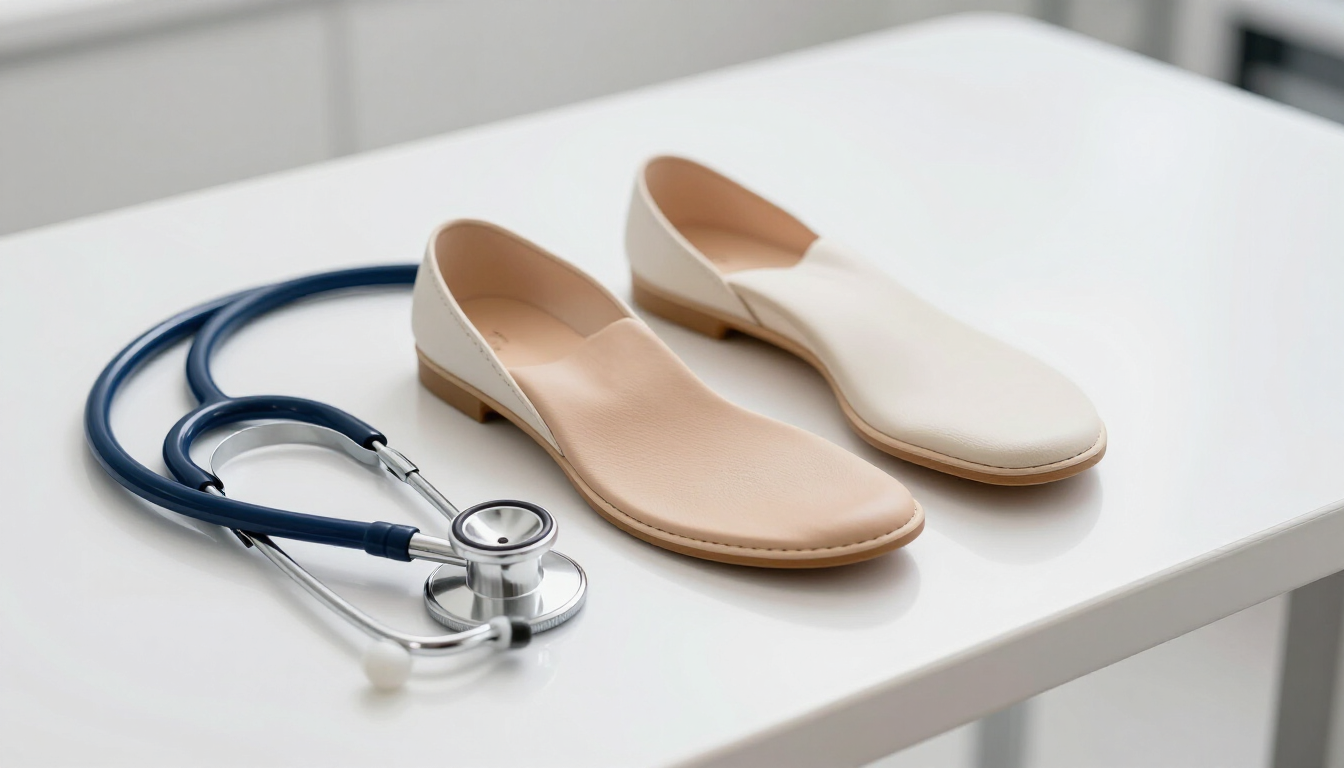
Custom Orthotics and Medical Tools

Maximizing Performance: Benefits for Athletes and Active Adults

For athletes and active adults in the Inland Northwest, the feet endure significant repetitive stress. Whether you are running on the Centennial Trail or hiking in the surrounding mountains, your feet act as shock absorbers. When the biomechanics of the foot are slightly off, that stress is transferred to the joints and soft tissues, often resulting in sports injuries .

Custom orthotics serve as a performance-enhancing tool for athletes by optimizing energy transfer and reducing muscle fatigue. When your feet are properly aligned, your muscles don’t have to work as hard to compensate for imbalances. This efficiency can lead to better endurance and a lower risk of common conditions like achilles tendon conditions or shin splints .

Key performance benefits for active individuals include:

  • Enhanced Shock Absorption : Reducing the impact on the knees and lower back.
  • Improved Lateral Stability : Crucial for sports involving quick pivots, like basketball or tennis.
  • Prevention of Overuse Injuries : Distributing weight evenly to prevent stress fractures.
  • Pain Reduction : Managing chronic issues like heel spurs or arch pain .
  • Longevity : Protecting the joints from premature wear and tear.

By addressing the specific needs of an athlete's sport and foot type, we can create a device that feels like a natural extension of the body. This allows adults to maintain their fitness goals and enjoy the outdoor lifestyle that Spokane is known for without being sidelined by foot fatigue.

Can Custom Orthotics Help Seniors Maintain Independence?

As we age, the feet undergo natural changes. The fatty padding on the bottom of the heel and the ball of the foot tends to thin out, a condition known as fat pad atrophy. Additionally, years of weight-bearing activity can lead to arthritis in the small joints of the foot and ankle. For seniors, maintaining mobility is essential for overall health and independence, and custom orthotics play a vital role in this effort.

For many older adults, balance is a major concern. Foot pain or instability can significantly increase the risk of falls. Custom orthotics provide a solid foundation, improving proprioception (the body's ability to sense its position in space). By stabilizing the foot, we help seniors move with more confidence and less fear of slipping or tripping.

Orthotics are also a critical component of diabetic foot care . Patients with diabetes may suffer from neuropathy , which limits their ability to feel sores or pressure points. Accommodative orthotics can be designed to offload pressure from high-risk areas, preventing the development of ulcers and serious complications. For seniors dealing with bunions or hammertoes , orthotics can provide the necessary space and support to reduce friction and pain within their shoes.

Athlete Running Outside

Common Conditions Treated by Custom Foot Support

Custom orthotics are versatile medical tools used to treat a wide array of podiatric conditions. At The Ankle & Foot Clinic, we don't just treat the symptoms; we address the cause. By altering how the foot interacts with the ground, we can alleviate pressure on sensitive tissues and realign the entire kinetic chain.

Some of the most common conditions we manage with orthotics include:

  1. Plantar Fasciitis : By supporting the arch, orthotics reduce the tension on the plantar fascia ligament, which is the leading cause of heel pain .
  2. Metatarsalgia : Orthotics can include pads that lift the metatarsal bones, relieving pain in the ball of the foot.
  3. Neuromas : Specifically designed inserts can spread the bones in the forefoot to stop the pinching of nerves.
  4. High Foot Arches : Custom support prevents the foot from rolling outward and provides much-needed cushioning for high-impact areas.
  5. Bursitis : Reducing friction in the joints helps manage the inflammation associated with bursitis.

Beyond these specific diagnoses, orthotics are often recommended for patients experiencing chronic ankle pain or back pain that stems from poor foot posture. When your foundation is crooked, the rest of the structure suffers. Realigning the feet can have a positive "ripple effect" throughout the body.

The Process of Getting Your Personalized Orthotics

Getting custom orthotics at our clinic is a detailed and professional experience. We believe in precision, as even a few millimeters of difference can impact the effectiveness of the device. The journey to better foot health follows a structured path designed to ensure the best possible outcome for our patients in Spokane.

  • Initial Consultation : We review your medical history and perform a physical exam.
  • Gait Analysis : We observe how you walk to identify biomechanical flaws.
  • Digital Scanning : We use state-of-the-art 3D imaging to capture every detail of your foot's shape.
  • Prescription Writing : The podiatrist writes a specific medical prescription for the lab, detailing the materials and corrections needed.
  • Fitting and Adjustment : Once the orthotics arrive, we ensure they fit perfectly in your shoes and make any necessary tweaks.

We also provide guidance on the "break-in" period. Because your body has likely been compensating for poor mechanics for years, it can take a week or two for your muscles and tendons to adjust to their new, corrected position. We are here to support you throughout that transition to ensure long-term comfort.

Podiatrist Scanning Foot

Summary of Custom Orthotic Benefits

Custom orthotics are more than just simple shoe inserts; they are a vital investment in your long-term mobility and comfort. From helping children develop healthy growth patterns to allowing seniors to walk with confidence and stability, these personalized medical devices address the unique needs of every life stage. By correcting biomechanical issues and providing targeted support, orthotics can prevent injury, reduce chronic pain, and improve your overall quality of life.

Key Takeaways:

  • Personalization Matters : Custom orthotics are built for your specific foot anatomy and medical needs.
  • Life-Long Support : They are effective for pediatric care, athletic performance, and senior mobility.
  • Medical Treatment : They treat the root cause of heel pain , flat feet , and arthritis .
  • Expert Care : Professional fitting by a podiatrist ensures the highest level of accuracy and relief.

If you are struggling with foot discomfort or want to optimize your physical performance, contact The Ankle & Foot Clinic today. Our team is ready to help you get back on your feet with the support you deserve. Explore our services or visit our FAQs to learn more about how we can help you stay active and pain-free.

Comfortable summer walking shoes on a sunny deck.
June 18, 2026
Learn how to protect your feet this summer with expert tips from The Ankle & Foot Clinic. Prevent blisters, heel pain, and sun damage while staying active in Spokane.

By VIV Builder April 9, 2026
Stay active and pain-free this Foot Health Awareness Month. Learn about heel pain, orthotics, diabetic foot care, and sports injury treatment options.

By VIV Builder April 1, 2026
Achilles tendonitis can develop gradually, causing heel pain and stiffness that worsens over time. Learn the warning signs and how a podiatrist can help you get back on your feet.
By VIV Builder March 5, 2026
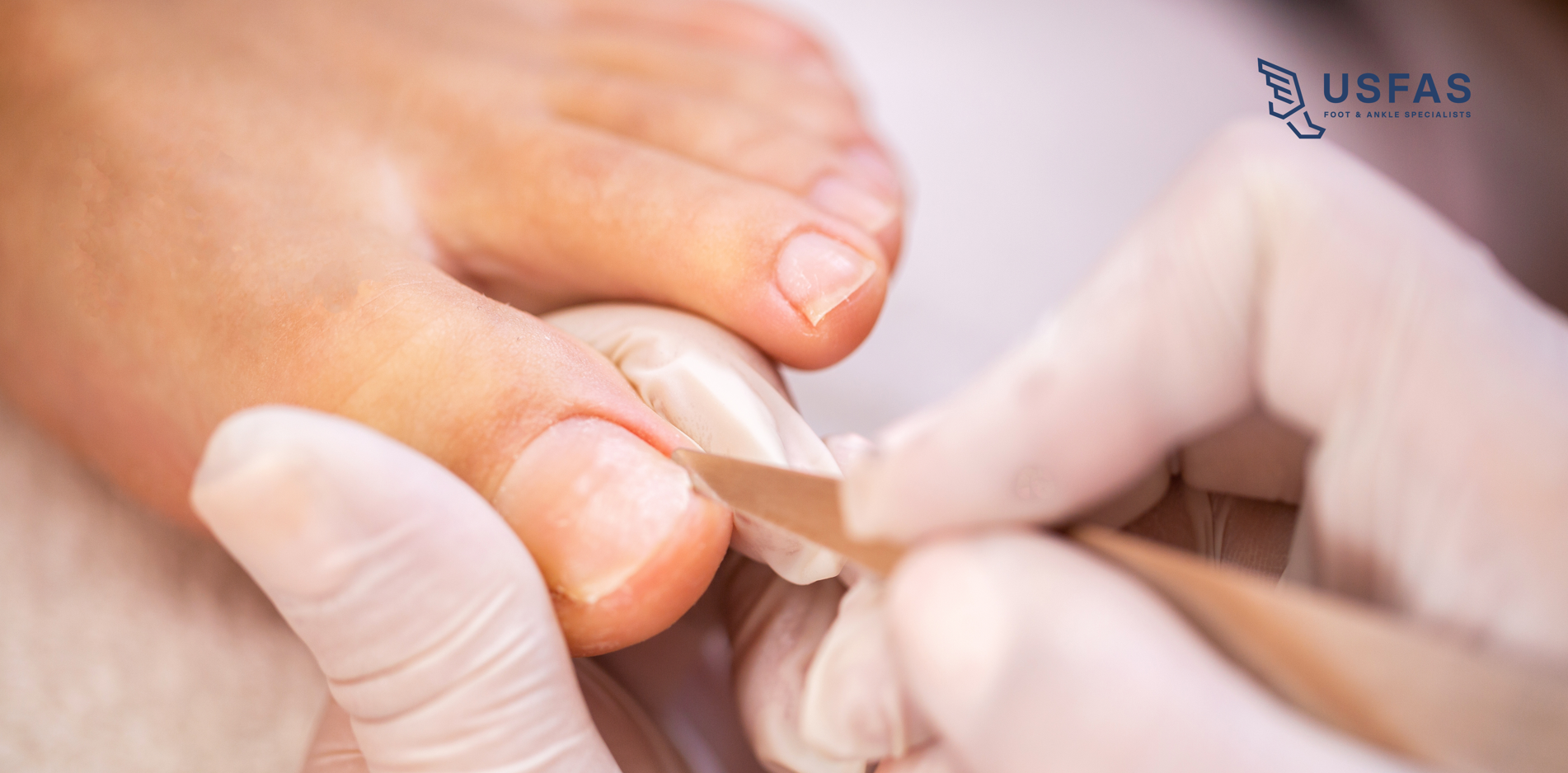
Ingrown toenails are a common foot condition that can start as a minor irritation and quickly become painful. Learn more about how we can help with ingrown toenails.
By VIV Builder February 19, 2026
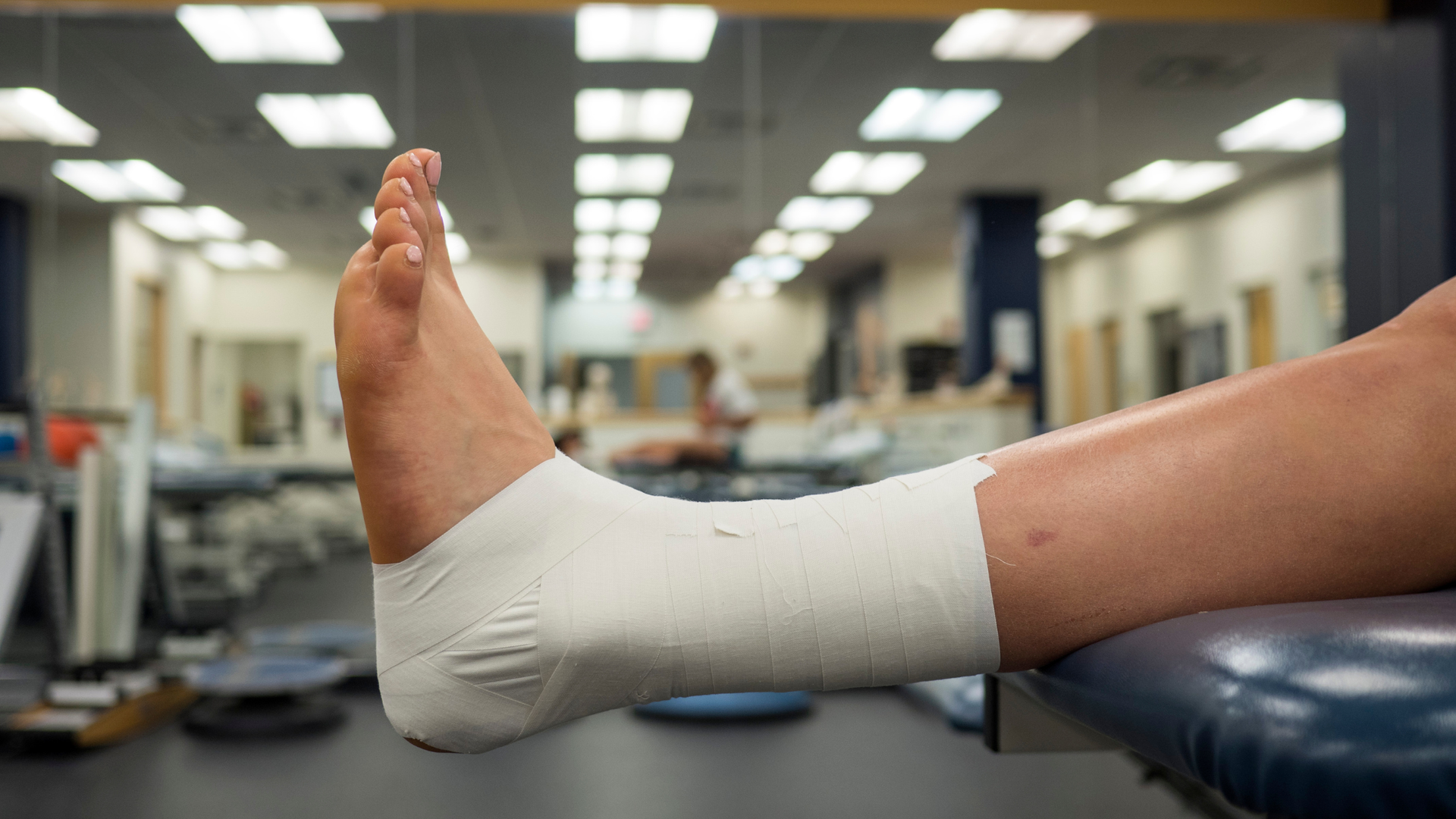
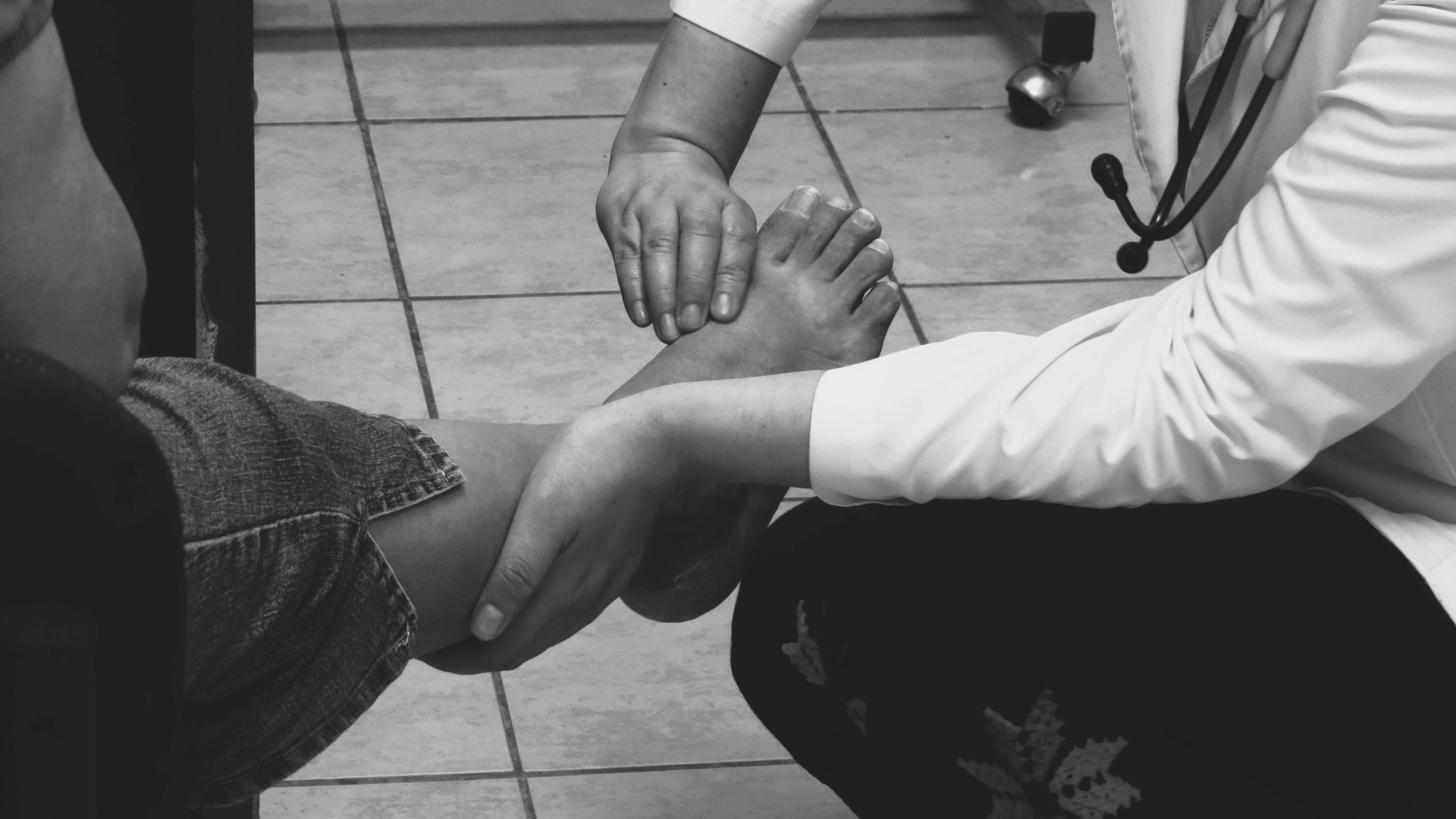
Ankle sprains are one of the most common foot and ankle injuries, yet they're often brushed off as no big deal. The truth is, even a mild sprain deserves proper care.
By VIV Builder February 5, 2026
Show Your Feet Some Love This February
By VIV Builder January 23, 2026
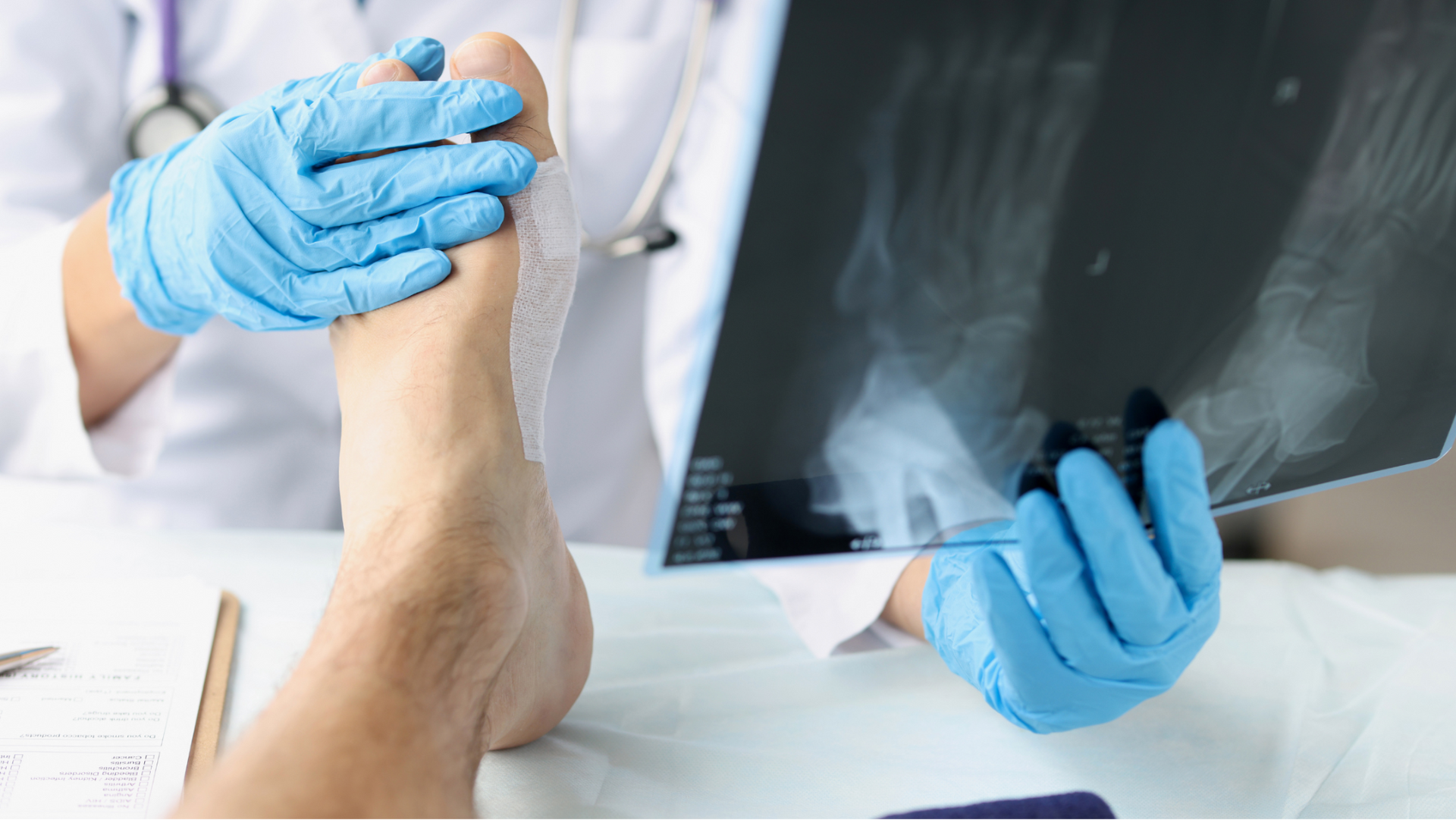
Understanding Podiatry Many people experience foot or ankle pain at some point, but they are not always sure where to turn for care. A podiatrist is a medical doctor who specializes in diagnosing and treating conditions of the foot and ankle. Their goal is to help patients move comfortably, stay active, and avoid pain that interferes with daily life. Podiatrists receive specialized medical training focused entirely on the feet and ankles. Because these areas support the entire body, even minor issues can have a big impact if left untreated. What Conditions Do Podiatrists Treat? Podiatrists treat a wide range of foot and ankle conditions for patients of all ages. From common concerns like heel pain and ingrown toenails to more complex issues such as sports injuries and diabetic foot conditions, podiatrists are trained to handle both routine and advanced care. They also address structural problems, skin and nail conditions, and injuries that affect mobility. By identifying the root cause of foot or ankle pain, podiatrists help patients find long-term relief rather than temporary fixes. When Should You See a Podiatrist? Foot pain is not something you have to live with. If you notice ongoing discomfort, changes in how you walk, or issues with your toenails or skin, it may be time to see a podiatrist. Early care can help prevent small problems from becoming more serious and can reduce recovery time. Patients with diabetes should also see a podiatrist regularly to help prevent complications and maintain foot health. What to Expect During Your Visit During a podiatry appointment, your provider will take time to understand your symptoms and lifestyle. They will examine your feet and ankles and may recommend imaging or other tests if needed. Based on their findings, they will create a personalized treatment plan tailored to your needs. Many podiatry treatments can be done in the office, allowing patients to return to normal activities quickly. Why Foot Health Matters Your feet play a major role in your overall health. Ongoing foot or ankle pain can lead to posture changes and strain on the knees, hips, and lower back. Proper foot care helps keep your entire body moving the way it should. Seeing a podiatrist is an important step in maintaining mobility and preventing future problems. Take the Next Step Toward Better Foot Health If foot or ankle pain is affecting your daily life, a podiatrist can help. With the right care and treatment, many conditions can be managed or resolved. Scheduling an appointment with a podiatrist is a simple step that can make a lasting difference in your comfort and mobility.

By VIV Builder January 9, 2026
December 4, 2025
December is the season of giving, and there’s no better gift than comfort. If you’re looking for something meaningful, helpful, and long-lasting, custom orthotics are a great choice. They support the feet, improve balance, and make everyday activities easier and more comfortable.

Show More